
Oct. 07, 2026
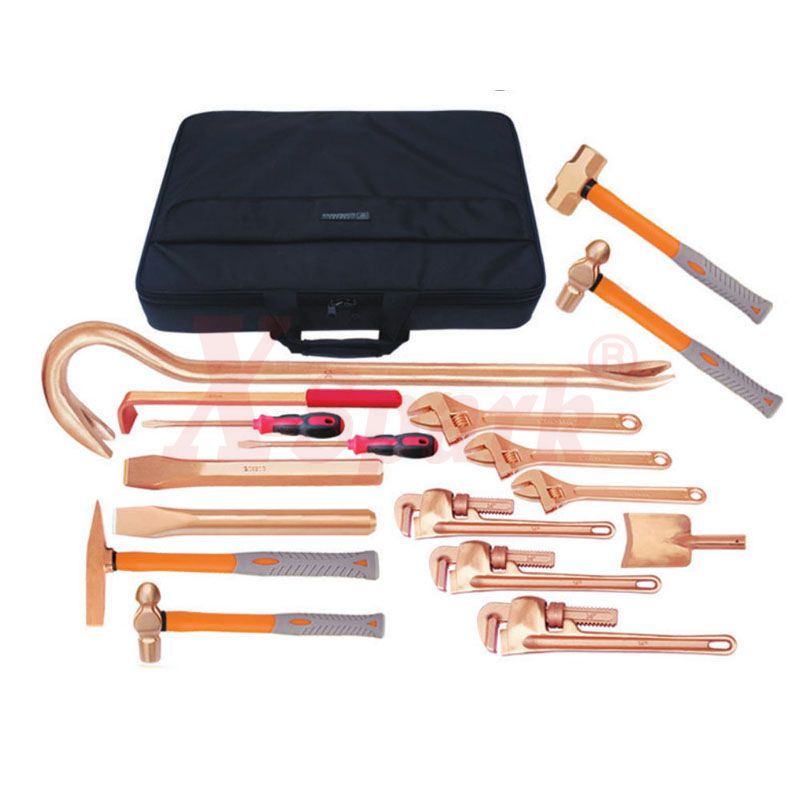
Non-sparking pliers and cutters help reduce the risk of ignition when workers handle equipment in hazardous areas. Oil refineries, chemical plants, fuel storage sites, and battery rooms may contain flammable gas, vapor, dust, or liquid. A small mechanical spark can become an ignition source. View More +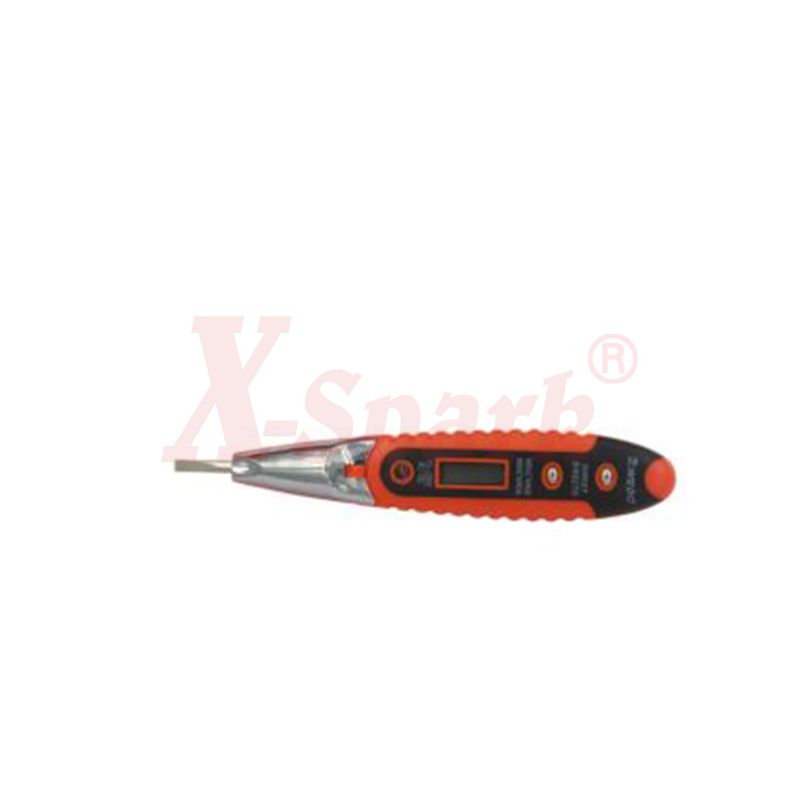
Oct. 06, 2026
Insulated tools for electrical maintenance help reduce the risk of electric shock when workers service electrical systems. A damaged handle, wrong voltage rating, or loose connection can turn a routine task into a serious incident. Electricians also need reliable voltage-rated tools for work near energized conductors. The right tool supports electrical safety during panel repair, cable work, and View More +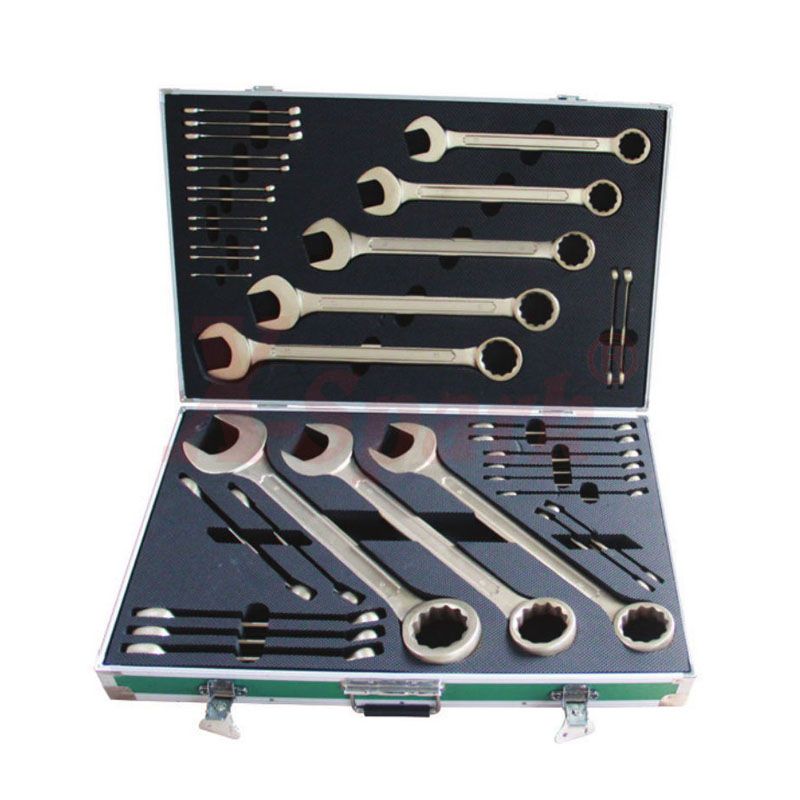
Oct. 05, 2026
Non-sparking hand tools help maintenance teams reduce ignition risks in areas where flammable gas, vapor, liquid, or dust may be present. In these locations, explosion proof tools must support a controlled maintenance plan, not replace gas testing or other safety controls. A dropped steel wrench can create a mechanical spark when it strikes another metal surface. Hazardous location maintenance View More +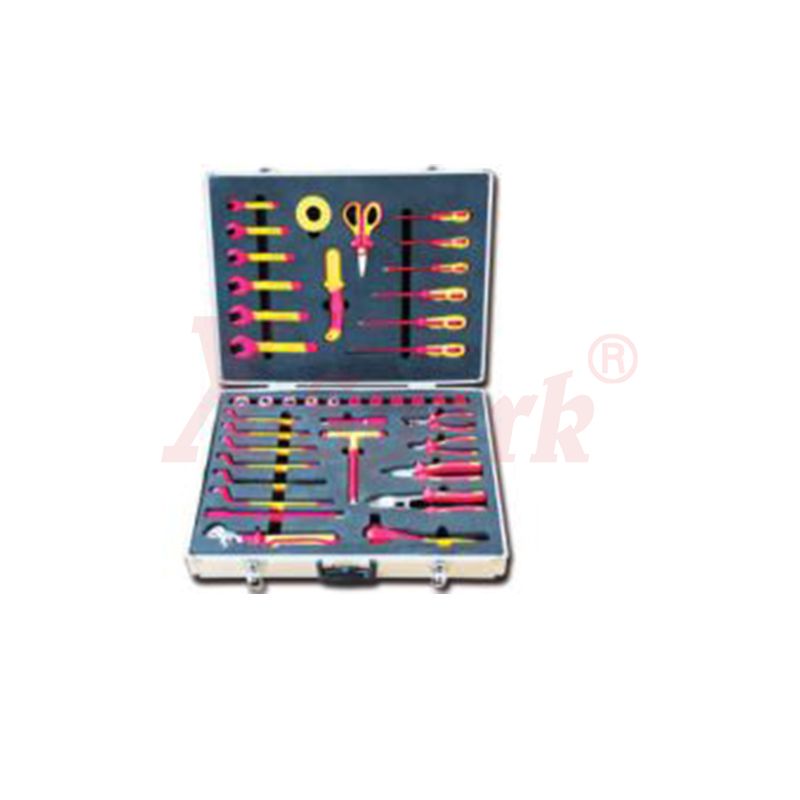
Oct. 02, 2026
1000V Insulated Tools are hand tools designed for electrical work near energized circuits and manufactured with an insulating layer that helps reduce the risk of electric shock. The “1000V” marking generally refers to a maximum rated working voltage of 1,000 volts AC under specified conditions, not a guarantee that the user can safely touch a live 1,000V conductor. For businesses, selecting View More +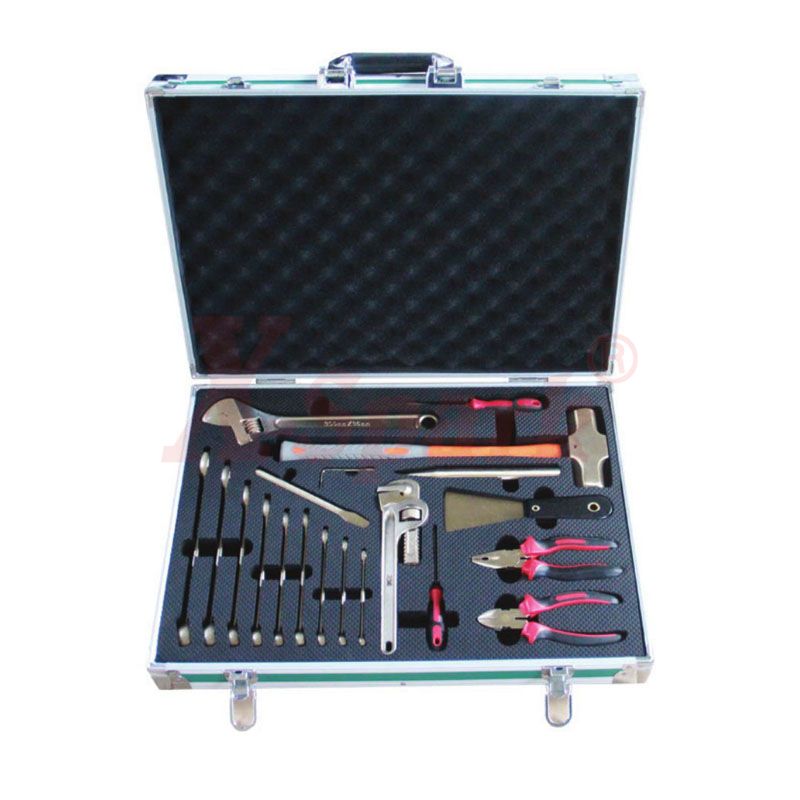
Oct. 01, 2026
Non-sparking hand tools need regular cleaning and maintenance to reduce ignition risks and preserve safe working performance. Dust, oil, metal particles, and moisture can damage copper alloy tools and hide defects. Hazardous location rules require workers to control ignition sources around flammable gases, vapors, and dust. A clean tool is easier to inspect for corrosion, burrs, cracks, and loss View More +Copyright © Hebei Botou Safety Tools ( Groups) Co., Ltd. All Rights Reserved | Sitemap

 中文