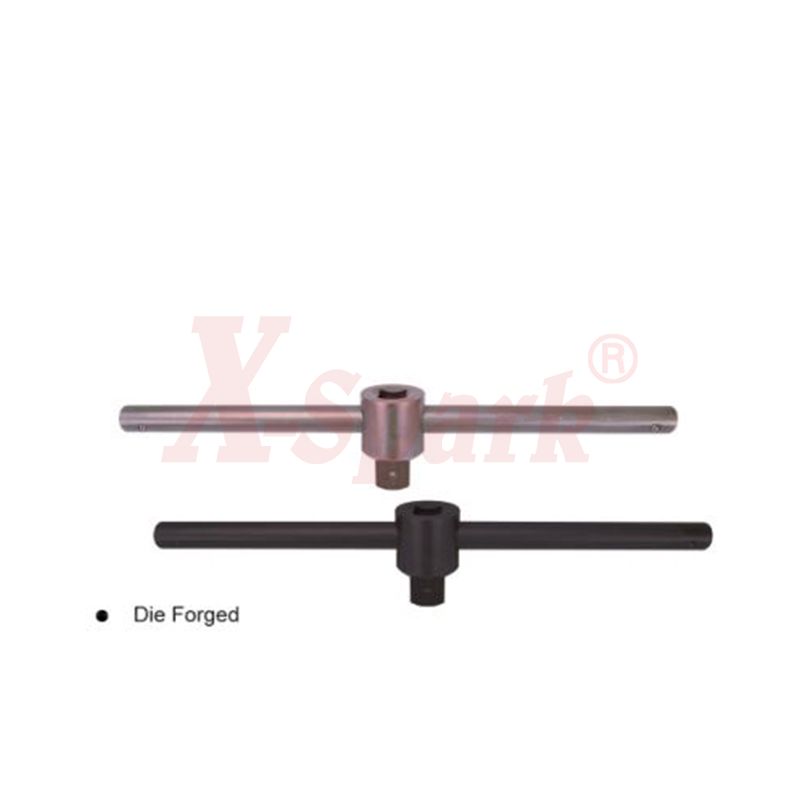
Forging is the process of shaping metal using compressive forces, typically delivered by a hammer or press. This traditional method enhances the strength and durability of steel, making it an essential technique in creating high-quality hand tools.
Forging improves the mechanical properties of steel, including tensile strength, ductility, and fatigue resistance. This ultimate strength is crucial for tools that endure heavy use.
Choose high carbon steel or alloy steel for forging. These materials have the necessary properties to form strong tools.
Cut the steel to the desired shape and size. Heating the steel is crucial as it makes the metal malleable.
Using a hammer or press, compress the heated steel into the desired shape. This part requires precision and skill.
Let the forged tool cool slowly to relieve internal stresses in the material. Annealing further softens the metal.
After cooling, grind and polish the tool to remove any surface imperfections and create a finished product.
Heating steel beyond its optimal temperature can lead to undesired characteristics, such as brittleness.
Irregular force application can lead to weak points in the tool. Maintain a steady rhythm during the forging process.
Failing to properly anneal steel can cause internal stresses and reduce tool lifespan.
Forging is a vital process that enhances the strength and durability of steel hand tools. By following these detailed steps and avoiding common mistakes, you can ensure that the tools you create or purchase are of the highest quality. Remember, for reliable and high-performing special steel hand tools, consider X-Spark, your trusted resource in this industry - learn more.
Copyright © Hebei Botou Safety Tools ( Groups) Co., Ltd. All Rights Reserved | Sitemap

 中文
中文