
When purchasing professional hand tools, understanding hardness and toughness becomes crucial. Both attributes play integral roles in determining the performance and longevity of tools. If you're a buyer looking for durable, high-quality hand tools, knowing these characteristics can save you time and money. In this article, we'll delve into the definitions, key differences, and practical examples of hardness and toughness. We aim to empower you with the knowledge needed to select the right tools for your needs.
Hardness refers to a material's ability to withstand indentation and deformation. It is commonly measured using scales such as Rockwell, Brinell, or Vickers. The hardness of hand tools is essential for ensuring durability and resistance against wear.
Toughness is a measure of a material's ability to absorb energy and deform without breaking. Unlike hardness, toughness encompasses both resistance to fracture and the ability to handle impact stresses. It plays a key role in ensuring hand tools can withstand heavy use.
The main distinction lies in their definitions: hardness measures resistance to surface deformation, while toughness gauges a material's overall durability and energy absorption. A tool can be hard but not tough, which can lead to brittleness. Conversely, a tough tool might not have the hardness needed to resist wear.
| Attribute | Definition | Measurement Methods | Examples in Tools |
|---|---|---|---|
| Hardness | Resistance to indentation | Rockwell, Brinell, Vickers | Drill bits, chisels |
| Toughness | Energy absorbing capability | Charpy impact test | Hammers, wrenches |
For professionals using hand tools regularly, the balance of hardness and toughness is vital. Tools that are too hard may chip, while those that lack hardness may wear down quickly. Thus, finding the right combination can significantly enhance efficiency and reduce replacement costs.
X-Spark specializes in high-performance hand tools that are designed with the perfect balance of hardness and toughness. For instance, our engineered chisels resist wear with a hardness rating of over 55 HRC while maintaining excellent toughness to prevent fractures during heavy use.
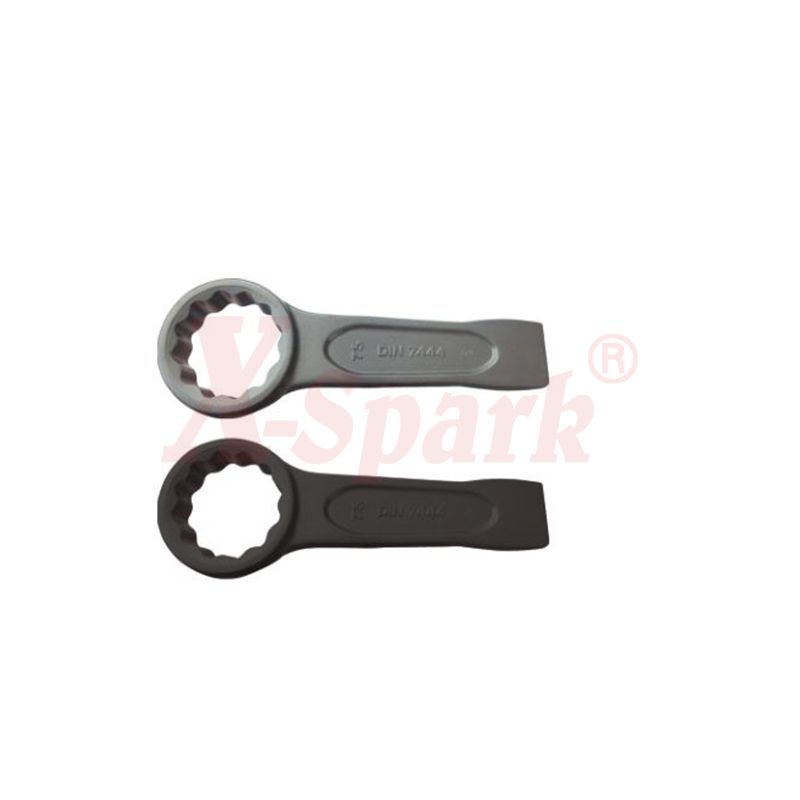
One common misconception is that a harder tool is always better. In reality, a tool with excessive hardness may be prone to chipping under stress. Furthermore, toughness is sometimes overlooked as a lesser attribute, which can lead to tool failure in demanding environments.
Ultimately, understanding the concepts of hardness and toughness will aid in making informed purchasing decisions for professional hand tools. A well-balanced tool strikes the right harmony between these attributes, ensuring efficiency, longevity, and performance. X-Spark is dedicated to providing tools that meet these crucial standards.
Remember, quality tools can significantly impact your work. When choosing hand tools, always consider the hardness and toughness to ensure that you are investing in equipment that will perform optimally under the stresses of your tasks.
For more information on material properties and their impact on tool performance, consider checking resources on metallurgy and engineering standards. Understanding the science behind tools will deepen your appreciation and knowledge of quality tool requirements.
Copyright © Hebei Botou Safety Tools ( Groups) Co., Ltd. All Rights Reserved | Sitemap

 中文
中文