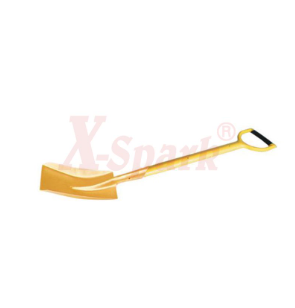
Brass hand tools are used in maintenance, equipment assembly and industrial service applications where buyers need corrosion resistance, reduced surface damage or a lower tendency to create mechanical sparks than conventional steel tools.
For buyers in Vietnam, purchasing the correct tools requires more than comparing product prices. You must confirm the exact copper alloy, manufacturing method, working strength, dimensional accuracy, intended application and supporting test documents. This is particularly important when tools will be used in shipyards, chemical facilities, energy projects, electronics plants or other controlled industrial environments.
A qualified brass hand tools supplier in Vietnam should be able to provide material information, product specifications, quality reports, OEM support and export-ready packaging rather than offering tools under a general “brass” description.
What Are Brass Hand Tools?
Brass hand tools are manufactured from copper-zinc alloys or contain brass working parts. Depending on the alloy composition, manufacturing process and tool design, they may provide:
Good resistance to moisture and corrosion
Reduced marking of steel, aluminum and finished components
Lower magnetic response than many conventional steel tools
Easier machining into custom profiles
Lower mechanical sparking tendency than carbon steel
A clean and recognizable surface appearance
Brass is softer than hardened tool steel. Therefore, brass tools are not automatically suitable for high-torque, heavy-impact or cutting applications.
Before ordering, define whether the tool is required for:
Non-marring assembly
General industrial maintenance
Marine repair
Precision adjustment
Hazardous-area maintenance
Electrical equipment service
Custom equipment installation
The application determines whether brass, aluminum bronze, beryllium copper or another material is more suitable.
Common Brass Hand Tools
Brass Hammers and Mallets
Brass hammers are commonly used when a steel hammer could damage a shaft, bearing, mold, machine surface or finished metal component.
Available options may include:
Ball-peen brass hammers
Cross-peen hammers
Sledge hammers
Machinist hammers
Replaceable-face mallets
Custom striking tools
When requesting a quotation, specify:
Head weight
Head dimensions
Overall length
Handle material
Striking-face design
Required hardness
Maximum impact conditions
Brass hammers are suitable for controlled striking work, but they should not automatically be used for severe demolition or repeated heavy impact.
Brass Wrenches and Spanners
Brass and copper-alloy wrenches may be used for valve operation, equipment maintenance and assembly work.
Common types include:
Open-end wrenches
Combination spanners
Adjustable wrenches
Hook spanners
Valve wrenches
Striking wrenches
Custom-profile spanners
Important purchasing details include the opening size, handle length, working torque and applicable dimensional standard.
For high-load applications, confirm whether aluminum bronze provides better mechanical strength than standard brass.
Brass Pliers
Brass or copper-alloy pliers may be selected when conventional steel jaws could scratch or contaminate a component.
Possible products include:
Combination pliers
Long-nose pliers
Gripping pliers
Pipe-gripping tools
Special assembly clamps
Brass pliers are generally more suitable for gripping and positioning than cutting hardened wire. The supplier should clearly state the intended working function.
Brass Screwdrivers
Brass screwdrivers can be manufactured for maintenance involving sensitive equipment, corrosion-prone environments or components that should not be scratched by hardened steel.
Buyers should specify:
Slotted, Phillips or custom tip
Tip size
Shaft length
Handle type
Required torque
Insulation requirements
Brass is electrically conductive. A brass screwdriver must not be treated as an insulated electrical tool unless the complete tool has an approved insulation system and applicable test documentation.
Brass Scrapers and Cleaning Tools
Brass scrapers can remove deposits, coatings and gasket residue from harder metal surfaces with a lower risk of scratching than steel scrapers.
They may be used for:
Mold cleaning
Marine equipment maintenance
Gasket removal
Machine servicing
Surface preparation
Paint and residue removal
The scraper thickness, edge angle, hardness and handle design should match the material being cleaned.
Custom Brass Tools
Vietnamese equipment manufacturers, maintenance companies and distributors may also require tools designed around a specific machine or component.
Custom products can include:
Special valve keys
Custom socket tools
Equipment-specific spanners
Non-standard punches
Alignment tools
Assembly fixtures
Scrapers with special profiles
For custom manufacturing, provide a drawing, sample or complete dimensional specification.
Brass vs Aluminum Bronze Tools
The term “brass tool” is often used broadly, but different copper alloys have different strength and safety characteristics.
Material
Main Characteristics
Typical Applications
Brass
Corrosion-resistant, machinable and relatively soft
Non-marring assembly, scraping and moderate-load work
Aluminum Bronze
Stronger and more wear-resistant than many brass alloys
Industrial maintenance, impact tools and higher-load applications
Beryllium Copper
High strength, low magnetic response and low sparking tendency
Specialized hazardous-area and precision applications
Food, chemical, marine and clean-service applications
The supplier should state the exact alloy grade rather than using only terms such as “copper tool” or “brass tool.”
Are Brass Tools Non-Sparking?
Brass generally has a lower tendency to create mechanical sparks than carbon steel. However, this does not mean every brass tool is certified for use in explosive atmospheres.
Terms such as the following are often used incorrectly:
Non-sparking
Spark-proof
Spark-resistant
Explosion-proof
Safety tool
A hand tool itself should not normally be described as “explosion-proof.” Suitability depends on the alloy, test method, working condition and hazardous-area requirements.
Before using brass tools in oil, gas, chemical or fuel-related environments, ask the supplier:
What exact alloy is used?
Is the finished tool tested for spark-resistant performance?
Which standard or test method applies?
Can the supplier provide the test report?
What is the maximum working load?
Are there restrictions on impact or wear?
Is batch-level material traceability available?
Steel contamination can also affect spark-resistant performance. Tools should be stored and maintained separately from steel tools when contamination is a concern.
Applications in the Vietnamese Market
Manufacturing and Equipment Assembly
Brass hammers, punches and non-marring tools can be used during machine assembly, bearing installation, mold adjustment and maintenance of finished components.
These tools are particularly useful where steel contact could damage:
Machined shafts
Bearing surfaces
Aluminum housings
Decorative hardware
Precision fixtures
Mold surfaces
Shipbuilding and Marine Maintenance
Marine and ship-repair work may require tools with good corrosion resistance and controlled impact characteristics.
Potential applications include:
Valve maintenance
Pump servicing
Shaft installation
Marine engine repair
Deck equipment maintenance
Propeller and bearing work
Even corrosion-resistant tools should be cleaned, dried and inspected after exposure to seawater.
Chemical and Process Facilities
In chemical and process plants, tool selection should consider both corrosion and hazardous-area conditions.
Provide the supplier with:
Chemical exposure
Operating temperature
Required alloy
Hazard classification
Maximum working load
Required test documentation
No copper alloy is universally resistant to every chemical. Compatibility should be reviewed for the actual medium.
Electronics and Precision Manufacturing
Brass tools may be used where low magnetic response, clean contact or reduced surface damage is required.
Applications can include:
Fixture adjustment
Precision assembly
Equipment maintenance
Component positioning
Clean production areas
Cleanliness, dimensional accuracy and packaging may be more important than impact strength in these applications.
Oil, Gas and Fuel-Handling Facilities
Spark-resistant tools may be required for selected maintenance work around flammable gases, liquids or vapors.
For these projects, standard brass should not be accepted solely because it produces fewer sparks than steel. Buyers should request a verified safety-tool alloy and supporting test documents.
Technical Specifications to Confirm
A professional supplier quotation should include the following information:
Specification
Information to Confirm
Tool Type
Hammer, wrench, pliers, scraper, screwdriver or custom tool
Material
Exact brass or copper-alloy grade
Manufacturing Process
Forging, casting, machining or combined production
Dimensions
Overall and working-end dimensions
Unit Weight
Nominal weight and tolerance
Hardness
Applicable range for the selected alloy
Working Capacity
Maximum torque, load or impact condition
Surface Finish
Natural, polished, coated or customized
Handle
Wood, fiberglass, rubber-coated or custom design
Testing
Material, hardness, load, torque or impact testing
Certification
Project-specific safety or spark-resistance documents
Branding
Engraving, casting, laser marking or printed labels
Packaging
Cartons, cases, foam trays or branded tool sets
Order Quantity
Trial quantity and annual demand
OEM and Private-Label Support
An experienced supplier can support tool distributors, industrial brands and maintenance companies with OEM production.
Customization may include:
Custom tool sizes
Special wrench openings
Different hammer weights
Custom handle materials
Logo engraving
Cast branding
Laser marking
Color-coded handles
Barcode labels
Vietnamese-language instructions
Branded cartons
Foam tool trays
Complete safety tool sets
For a new tool design, the development process generally includes:
Drawing or sample review
Alloy selection
Manufacturing-process assessment
Tooling quotation
Prototype production
Dimensional and performance testing
Sample approval
Batch production
Final inspection
Export packaging
Tooling ownership and design confidentiality should be confirmed before development begins.
MOQ and Trial Orders
The MOQ depends on the product type and customization level.
Standard products manufactured with existing tooling may support smaller trial orders. Customized products may require higher quantities because of:
New molds or forging dies
Special alloy procurement
Custom machining fixtures
Logo tooling
Handle development
Product testing
Printed packaging
When requesting a quotation, provide both:
Initial order quantity
Estimated annual demand
This helps the supplier calculate tooling allocation and volume pricing more accurately.
Quality Control Requirements
Brass hand tools should be inspected for material consistency, dimensions and working performance.
Quality-control items may include:
Chemical composition
Material certificates
Surface-defect inspection
Casting or forging quality
Critical dimensions
Working-end accuracy
Hardness
Unit weight
Handle installation
Torque testing
Load testing
Impact testing
Surface finish
Logo position
Packaging inspection
For spark-resistant tools, material verification alone may not be sufficient. Request finished-product test information where required by the project.
What Documents Should Buyers Request?
Depending on the application, a brass hand tools supplier may provide:
Material certificate
Chemical composition report
Dimensional inspection report
Hardness test report
Torque or load test report
Spark-resistance test report
Certificate of conformity
Certificate of origin
Packing list
Commercial invoice
Product catalogue
Installation or use instructions
The required documents should be stated before the order is confirmed.
Information Required for a Quotation
To receive an accurate quotation, provide:
Tool name and type
Required alloy
Dimensions or drawing
Intended application
Maximum working load
Hazardous-area requirements
Required testing
Surface finish
Handle material
Logo requirements
Packaging
Sample quantity
Batch quantity
Estimated annual demand
Delivery location in Vietnam
Required delivery date
For replacement tools, provide photographs, dimensions and a physical sample where possible.
Frequently Asked Questions
Are brass hand tools suitable for heavy-duty applications?
Standard brass is softer than many steel alloys. For higher torque or repeated impact, aluminum bronze or another stronger copper alloy may be more suitable.
Are all brass tools non-sparking?
No. Brass has a lower mechanical sparking tendency than carbon steel, but the exact alloy and finished tool should be verified for hazardous-area applications.
Can brass tools be used for electrical maintenance?
Brass conducts electricity. The tool is not electrically insulated unless it has a tested insulation system.
Can the supplier manufacture custom sizes?
Yes. Dimensions, working profiles, handles, logos and packaging can be produced according to drawings or samples.
Can I order a sample before mass production?
Sample orders can normally be evaluated. Custom products may require tooling or development charges.
Can the supplier produce branded tool sets?
OEM tool sets can include custom combinations, engraved logos, cases, foam inserts, labels and retail or industrial packaging.
How should brass tools be maintained?
Keep the tools clean and dry, inspect them for cracks or deformation and avoid unauthorized grinding or reshaping. Spark-resistant tools should be protected from steel-particle contamination.
What is the normal production lead time?
Lead time depends on material availability, tooling, quantity, testing and packaging. Standard products are generally faster than custom designs.
Selecting a Reliable Supplier
A reliable brass hand tools supplier in Vietnam should provide more than a broad product catalogue. The supplier should help you confirm the alloy, tool strength, manufacturing process, safety requirements, test documentation and packaging before production.
By preparing complete specifications and evaluating material traceability, quality control, customization and after-sales support, you can select tools that match the actual maintenance or production environment rather than purchasing only by price.


 中文
中文